

Purchasing a Certified Pre-Owned (CPO) vehicle can be a smart choice, offering the benefits of a new car at a lower cost. However, not all CPO vehicles are created equal, and it’s crucial to know what to look for to avoid buying a lemon. This blog post will guide you through the essential steps to ensure you make an informed decision. We will also connect these points to the work Sierra Litigation does in representing clients across California, including cities like Anaheim, Santa Monica, Chico, Irvine, Salinas, and Glendale, who have been victims of consumer fraud.
Understanding Certified Pre-Owned Vehicles
CPO vehicles are used cars that have been inspected, refurbished, and certified by the manufacturer or a dealership. They typically come with extended warranties, special financing rates, and other benefits. However, the certification process and standards can vary significantly between manufacturers and dealerships, so it’s essential to do your homework.
Key Steps to Avoid Lemons
1. Verify the Certification Process
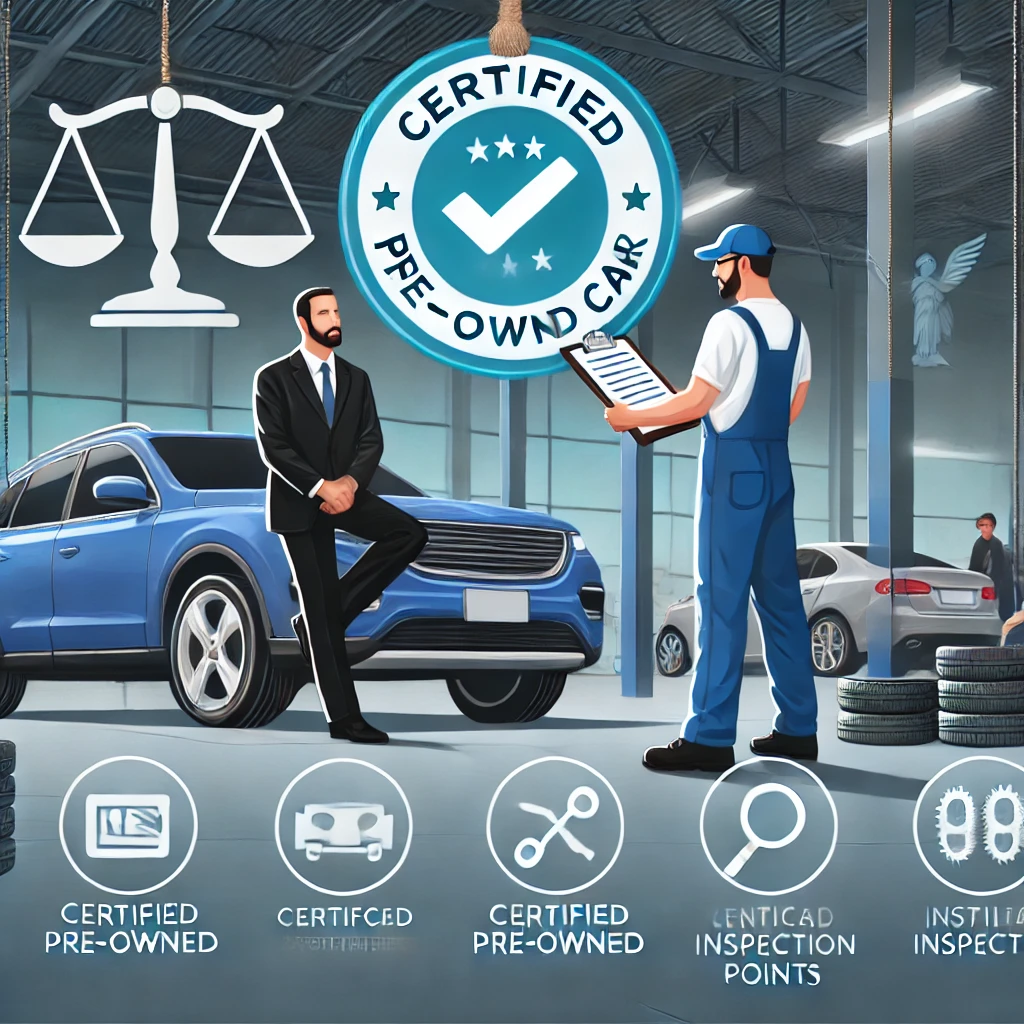
Not all certification processes are equal. Some dealers may cut corners, so it’s important to understand the specifics of the certification. Check the following:
- Inspection Points: How many points are inspected? A thorough inspection typically includes 100 to 200 points covering the engine, transmission, brakes, suspension, and more.
- Reconditioning: What kind of repairs and reconditioning were done? Ensure that genuine parts were used.
- Certification Authority: Was the car certified by the manufacturer or the dealership? Manufacturer-certified vehicles often come with more robust warranties and higher standards.
Example: Modesto
In Modesto, Jane was looking at a CPO car from a local dealership. She ensured that the vehicle was certified by the manufacturer, which provided her with additional peace of mind and a longer warranty.
2. Review the Vehicle History Report

A comprehensive vehicle history report is crucial in understanding the car’s past. This report can reveal:
- Accident History: Check for any accidents the vehicle has been involved in.
- Service Records: Look for regular maintenance and service records.
- Ownership History: Verify the number of previous owners.
- Title Status: Ensure the car has a clean title without any salvage, flood, or lemon history.
Example: Berkeley
John in Berkeley discovered through a vehicle history report that a CPO car he was considering had been in multiple accidents. This information helped him avoid purchasing a potentially problematic vehicle.
3. Conduct a Thorough Test Drive

A test drive is more than just a chance to see how the car feels; it’s an opportunity to identify potential issues. During the test drive:
- Test All Features: Ensure that all electronic and mechanical features work correctly, including the air conditioning, audio system, and power windows.
- Listen for Unusual Noises: Pay attention to any strange noises from the engine, brakes, or suspension.
- Check Handling and Performance: Evaluate how the car handles, accelerates, and brakes in different conditions.
Example: Palm Springs
Sarah in Palm Springs test-drove a CPO vehicle and noticed unusual noises from the suspension. Further inspection revealed worn-out components, which the dealer addressed before she made the purchase.
4. Get a Pre-Purchase Inspection

Even with a certification, it’s wise to have an independent mechanic inspect the vehicle. A pre-purchase inspection can identify hidden issues that might not be covered in the certification process.
Example: Santa Clara
Mark from Santa Clara had a CPO car inspected by his trusted mechanic, who found several minor issues that the dealership agreed to fix before the sale was finalized.
5. Understand the Warranty

CPO vehicles usually come with warranties, but it’s crucial to understand the details:
- Warranty Duration: How long does the warranty last? Does it cover specific components or the entire vehicle?
- Transferability: Is the warranty transferable if you decide to sell the car?
- Additional Coverage: Are there any additional warranties or service plans included?
Example: Napa
Lisa in Napa ensured her CPO car came with a comprehensive warranty covering major components for an extended period, giving her confidence in her purchase.
Sierra Litigation: Protecting Your Rights
Despite taking all precautions, issues can still arise. Sierra Litigation specializes in representing consumers who have been victims of fraud or Lemon Law violations. We provide no-fee legal representation to clients across California, helping them navigate the legal process and secure compensation or vehicle replacement.
Case Study: Success in San Bernardino
Tom in San Bernardino purchased a CPO vehicle that turned out to have undisclosed mechanical issues. Sierra Litigation helped him file a Lemon Law claim, resulting in the manufacturer replacing the faulty car with a new one.
Case Study: Success in Redding
In Redding, Maria bought a CPO vehicle that was misrepresented by the dealer. Sierra Litigation successfully negotiated a settlement, ensuring Maria received compensation for the fraudulent sale.
Conclusion
Purchasing a Certified Pre-Owned vehicle requires diligence to avoid ending up with a lemon. By verifying the certification process, reviewing the vehicle history report, conducting a thorough test drive, getting a pre-purchase inspection, and understanding the warranty, you can make an informed decision. If you encounter issues, Sierra Litigation is here to help. We provide no-fee legal representation to victims of consumer fraud across California, ensuring your rights are protected and you receive the compensation or vehicle replacement you deserve.
For more information and legal support, visit Sierra Litigation’s website or contact our office.