


The California Consumer Legal Remedies Act (CLRA) is a significant piece of legislation designed to protect consumers from unfair and deceptive business practices. Enacted in 1970, the CLRA has a rich history of shaping consumer rights in California, providing legal remedies for victims of consumer fraud. This blog post will explore the history of the CLRA, its key provisions, and how Sierra Litigation assists clients across various Californian cities in navigating and utilizing this important law.
Origins of the CLRA
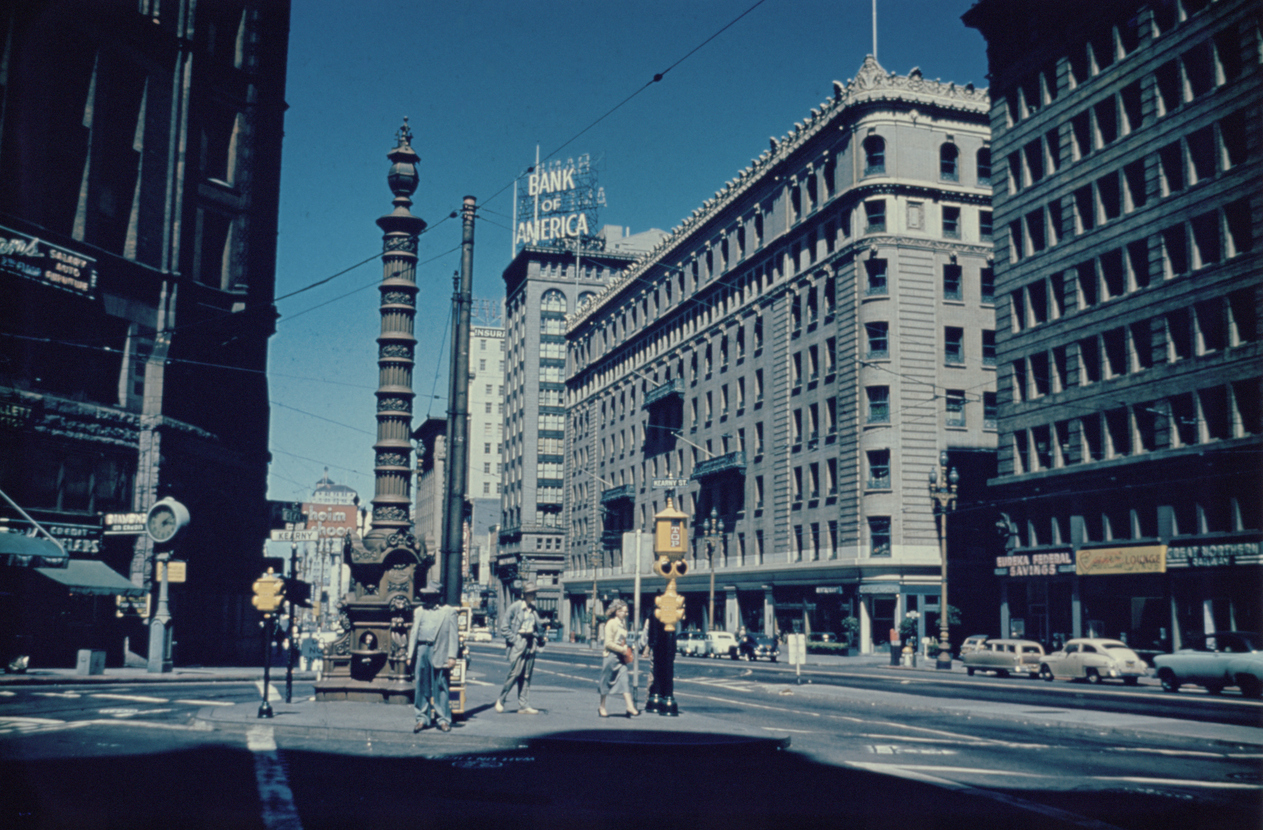
The CLRA was introduced in response to growing concerns about consumer protection in the late 1960s. During this time, consumers were increasingly vulnerable to misleading advertising, unfair contract terms, and deceptive sales practices. The California Legislature recognized the need for a robust legal framework to protect consumers, leading to the passage of the CLRA in 1970.
The primary goal of the CLRA was to provide consumers with a means to combat unfair business practices and to deter companies from engaging in such behavior. The Act sought to promote fair competition and protect the public from unscrupulous businesses.
Key Provisions of the CLRA
The CLRA outlines several specific practices that are considered unlawful when committed in the course of a transaction intended to result or which results in the sale or lease of goods or services to any consumer. Some of the key provisions include:
1. Prohibition of False Advertising

The CLRA makes it unlawful for businesses to advertise goods or services with the intent not to sell them as advertised. This includes making false or misleading statements about the characteristics, benefits, or quantities of goods or services.
2. Misrepresentation of Goods or Services
The Act prohibits businesses from misrepresenting the source, sponsorship, approval, or certification of goods or services. This ensures that consumers receive accurate information about what they are purchasing.
3. Concealment of Material Facts

Under the CLRA, businesses must not conceal or suppress material facts about the goods or services they offer. This provision aims to prevent companies from hiding important information that could affect a consumer’s purchasing decision.
4. Use of Deceptive Pricing

The CLRA also addresses deceptive pricing practices, such as falsely representing that a price advantage exists or that goods or services are being offered at a discounted rate when they are not.
Impact of the CLRA on Consumer Rights
Since its enactment, the CLRA has had a profound impact on consumer rights in California. The Act has provided consumers with a powerful tool to challenge unfair business practices and seek redress. Over the years, numerous cases have been brought under the CLRA, leading to significant settlements and judgments in favor of consumers.
Hypothetical Case Study: Advertising Practices
In Los Angeles, a group of consumers filed a class-action lawsuit against a major electronics retailer for deceptive advertising practices. The retailer had advertised a sale on electronic goods but did not have sufficient stock to meet the demand. Under the CLRA, the consumers were able to secure a settlement that included compensation for the affected customers and a commitment from the retailer to change its advertising practices.
Hypothetical Case Study: Used Car Condition
In San Francisco, a consumer sued a car dealership for misrepresenting the condition of a used car. The dealership had claimed that the car was in excellent condition, but it had significant mechanical issues. The court ruled in favor of the consumer, awarding damages and ordering the dealership to cease its deceptive practices.
The Role of Sierra Litigation
At Sierra Litigation, we are dedicated to representing consumers who have been victims of unfair and deceptive business practices. Our firm provides no-fee legal representation to clients across California, including cities such as Fresno, Sacramento, San Diego, and San Jose. We specialize in cases involving consumer fraud, helping clients understand their rights under the CLRA and seeking justice on their behalf.
Supporting Victims of Consumer Fraud
Sierra Litigation has a proven track record of successfully handling CLRA cases. We assist clients in identifying violations, gathering evidence, and pursuing legal action against businesses that engage in unfair practices. Our goal is to ensure that our clients receive the compensation they deserve and that businesses are held accountable for their actions.
Hypothetical Case Study: Success in Fresno
In Fresno, Sierra Litigation represented a group of homeowners who were misled by a home improvement company. The company had made false claims about the energy savings and quality of their products. Through our diligent efforts, we secured a settlement that included compensation for the homeowners and changes to the company’s marketing practices.
Hypothetical Case Study: Success in San Diego
In San Diego, we represented a consumer who was sold a defective appliance by a local retailer. The retailer had refused to honor the warranty and provide a replacement. Under the CLRA, we were able to obtain a favorable judgment for our client, including damages and attorney fees.
Conclusion
The California Consumer Legal Remedies Act is a cornerstone of consumer protection law in California. Since its inception, the CLRA has empowered consumers to challenge unfair business practices and seek redress. Sierra Litigation is proud to support clients across California, providing no-fee legal representation to victims of consumer fraud. whether you’re in Los Angeles, San Francisco, San Diego, San Luis Obispo, Santa Barbara, Culver City, Stockton, Visalia, Merced, Madera or any other city in California, we are here to help you understand your rights and achieve justice under the CLRA.
For more information and legal support, visit Sierra Litigation’s website or contact our office.