


Certified Pre-Owned (CPO) vehicles offer consumers a blend of affordability and reliability, promising the benefits of a new car without the hefty price tag. However, when a CPO vehicle turns out to be a lemon, the dealership’s role becomes crucial in the Lemon Law case process. This blog post will explore the various roles dealerships play in Lemon Law cases involving CPO vehicles, and how Sierra Litigation can help clients across California, including cities like Stockton, Chula Vista, Fremont, Huntington Beach, Oxnard, and Moreno Valley, with no-fee legal representation for victims of consumer fraud.
Understanding the Dealership’s Role
1. The Inspection and Certification Process

The first critical role of the dealership in a CPO Lemon Law case is the inspection and certification process. Dealerships are responsible for conducting thorough inspections and reconditioning the vehicle to meet the manufacturer’s standards. This process typically includes:
- Mechanical and Safety Inspections: Dealerships must perform comprehensive checks of the engine, transmission, brakes, suspension, and other key components to ensure they are in excellent working condition.
- Refurbishment: Necessary repairs and replacements should be made using genuine parts to bring the vehicle up to CPO standards.
- Certification: Once the vehicle passes all inspections, it is certified as a CPO vehicle, often with an extended warranty and other benefits.
Example: Los Angeles
In Los Angeles, Kate bought a CPO vehicle from a dealership that promised a 150-point inspection. However, after purchasing the car, she discovered multiple issues, suggesting that the inspection may not have been as thorough as advertised.
2. Providing the Warranty

Dealerships often provide or facilitate the extended warranties that come with CPO vehicles. These warranties are meant to cover significant repairs and give the buyer peace of mind. Key aspects include:
- Warranty Coverage: The warranty typically covers major components such as the engine and transmission, but may exclude wear-and-tear items.
- Warranty Terms: Dealerships must clearly explain the terms, duration, and coverage limits of the warranty to the buyer.
Example: San Francisco
John purchased a CPO vehicle in San Francisco with a warranty that was supposed to cover all major mechanical issues. When his transmission failed, the dealership initially refused to honor the warranty, prompting John to seek legal assistance.
3. Handling Repairs
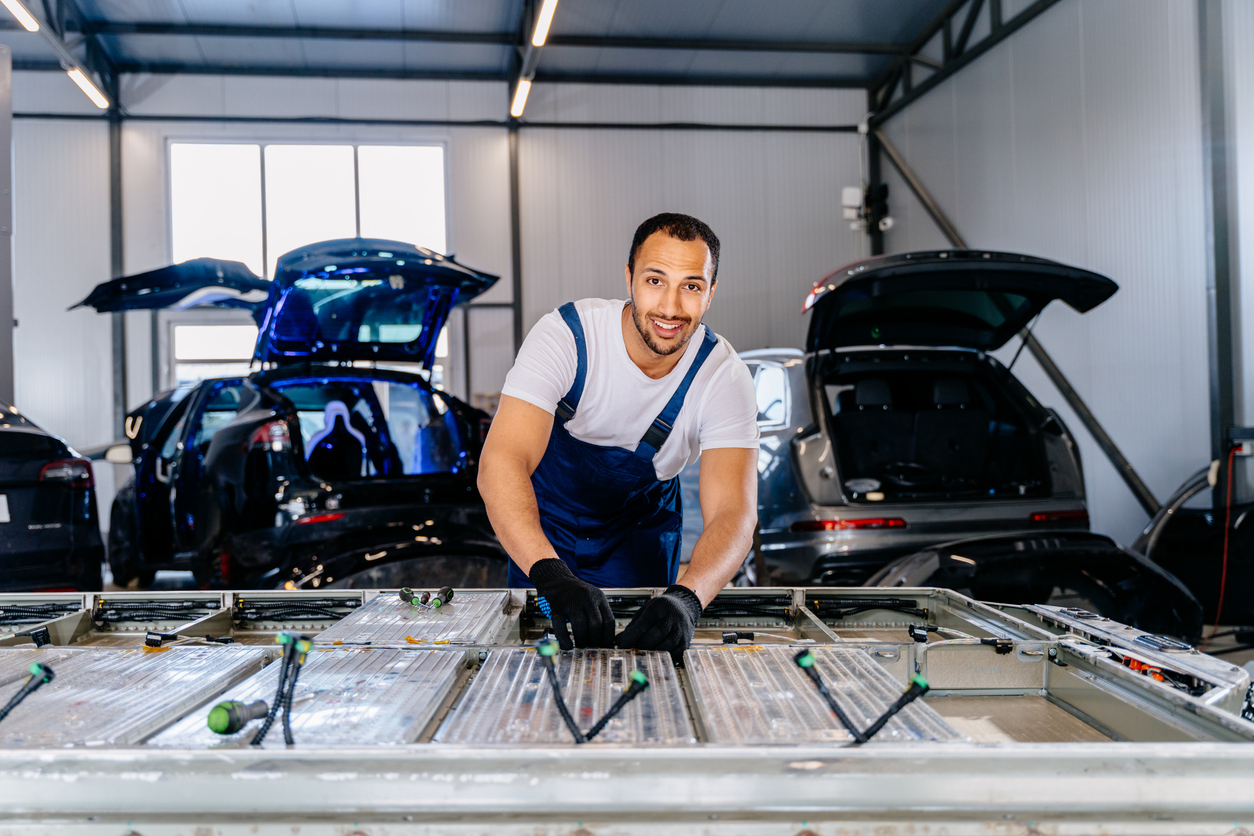
When a CPO vehicle exhibits problems, the dealership is responsible for handling the repairs. This includes:
- Diagnosing Issues: The dealership must accurately diagnose the problems reported by the buyer and provide effective repairs.
- Performing Repairs: Qualified technicians should perform all necessary repairs using proper parts and techniques to ensure the vehicle’s reliability.
Example: San Diego
Sarah’s CPO vehicle in San Diego had persistent electrical issues. Despite multiple repair attempts by the dealership, the problems were not resolved, leading her to pursue a Lemon Law claim.
4. Communicating with the Manufacturer

Dealerships act as intermediaries between the consumer and the vehicle manufacturer. This role includes:
- Reporting Issues: The dealership must report unresolved issues to the manufacturer and seek their assistance or authorization for extensive repairs or replacements.
- Facilitating Claims: In the case of a Lemon Law claim, dealerships often coordinate with the manufacturer to find a resolution, whether it be additional repairs, a replacement vehicle, or a refund.
Example: Sacramento
In Sacramento, Mark’s CPO vehicle required significant repairs that the dealership could not handle independently. The dealership communicated with the manufacturer, but delays in coordination led to prolonged inconvenience for Mark.
The Lemon Law Process Involving Dealerships
Step 1: Documenting the Issues

Consumers must document all issues with their CPO vehicle, including dates, symptoms, and repair attempts. This documentation is crucial for establishing a pattern of unresolved problems.
Example: Fresno
Lisa from Fresno meticulously documented each time her CPO vehicle’s air conditioning system failed and the dealership’s subsequent repair attempts, creating a solid case for her Lemon Law claim.
Step 2: Notifying the Dealership

Before pursuing a Lemon Law claim, the consumer must notify the dealership of the recurring issues and provide them with opportunities to repair the vehicle. Formal notifications should be sent in writing and include detailed descriptions of the problems.
Example: Bakersfield
Tom sent a formal notification to his dealership in Bakersfield, outlining the engine problems with his CPO vehicle and the dealership’s unsuccessful repair attempts, setting the stage for his Lemon Law claim.
Step 3: Seeking Legal Assistance

If the dealership cannot resolve the issues after a reasonable number of repair attempts, consumers should seek legal assistance. An experienced Lemon Law attorney can evaluate the case and help file a claim.
Example: San Jose
From San Jose, Maria contacted Sierra Litigation after her CPO vehicle’s persistent brake issues went unresolved despite multiple repair attempts. The firm provided her with expert legal advice and representation.
Step 4: Filing the Lemon Law Claim
With the help of their attorney, consumers can file a Lemon Law claim. This process involves submitting detailed documentation and evidence of the vehicle’s defects, repair history, and the impact on the vehicle’s use and value.
Example: Los Osos
Craig’s attorney from Sierra Litigation prepared and filed a comprehensive Lemon Law claim in Los Osos, including all necessary documentation and evidence of the dealership’s failure to resolve the vehicle’s issues.
Step 5: Negotiation and Resolution

The dealership and manufacturer may negotiate with the consumer’s attorney to find a resolution, which could involve a refund, a replacement vehicle, or additional repairs.
Example: Sunnyvale
Joe’s attorney from Sierra Litigation successfully negotiated with the dealership and manufacturer in Sunnyvale, resulting in Joe receiving a replacement vehicle after his CPO car’s transmission issues could not be resolved.
How Sierra Litigation Helps
Sierra Litigation is dedicated to protecting the rights of consumers who have been victims of Lemon Law violations and other forms of consumer fraud. By providing no-fee legal representation, the firm ensures that clients can pursue justice without financial burden.
Comprehensive Legal Support
From the initial consultation to the final resolution, Sierra Litigation offers comprehensive legal support, handling all aspects of the case with professionalism and expertise. Their attorneys are well-versed in Lemon Law and have a proven track record of securing favorable outcomes for their clients.
Example: Success in Torrance
Jane’s case in Torrance is a testament to Sierra Litigation’s effectiveness. After multiple unsuccessful repair attempts on her CPO vehicle’s transmission, Sierra Litigation filed a Lemon Law claim on her behalf. The firm’s diligent negotiation resulted in a settlement where Jane received a replacement vehicle, ensuring her satisfaction and peace of mind.
Conclusion
Dealerships play a crucial role in Certified Pre-Owned Lemon Law cases, from the initial inspection and certification process to handling repairs and communicating with the manufacturer. When dealerships fail to resolve issues, consumers must take appropriate steps to protect their rights, including documenting problems, notifying the dealership, and seeking legal assistance.
Sierra Litigation is here to help clients across California, including Fontana, Glendale, Santa Clarita, Garden Grove, Rancho Cucamonga, and Santa Rosa, navigate their Lemon Law claims with no-fee legal representation. If you are experiencing issues with your Certified Pre-Owned vehicle, contact Sierra Litigation for expert guidance and support.
For more information and legal support, visit Sierra Litigation’s website or contact our office.